
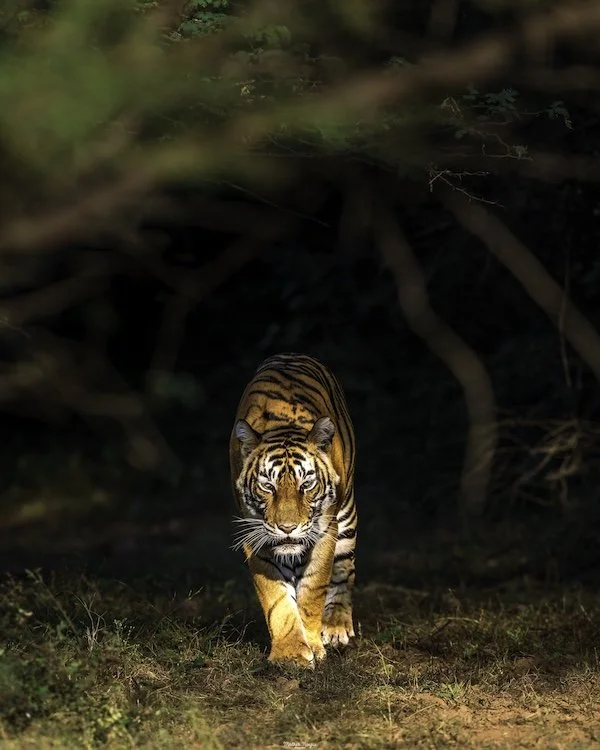
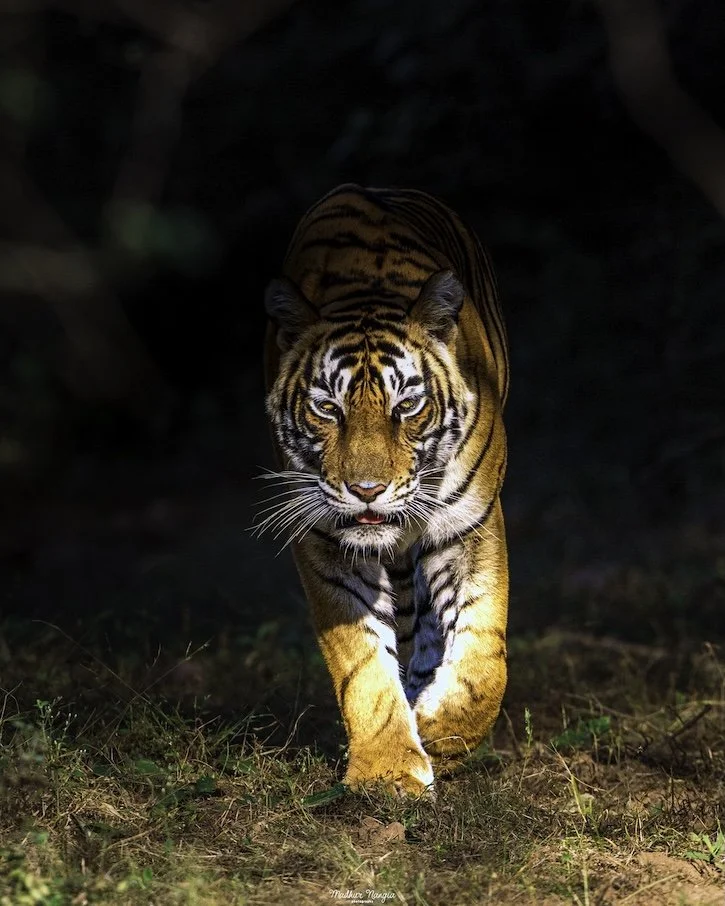
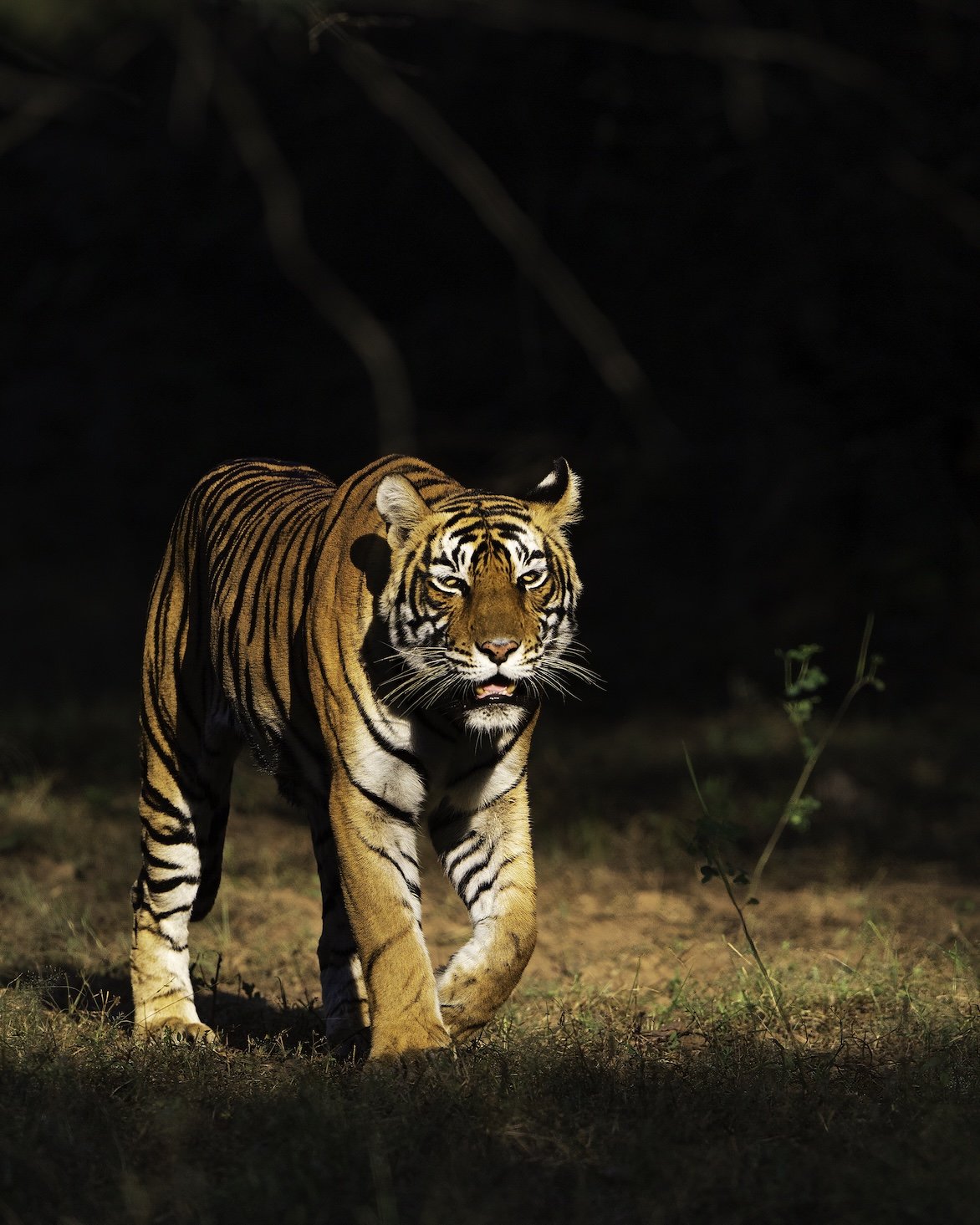
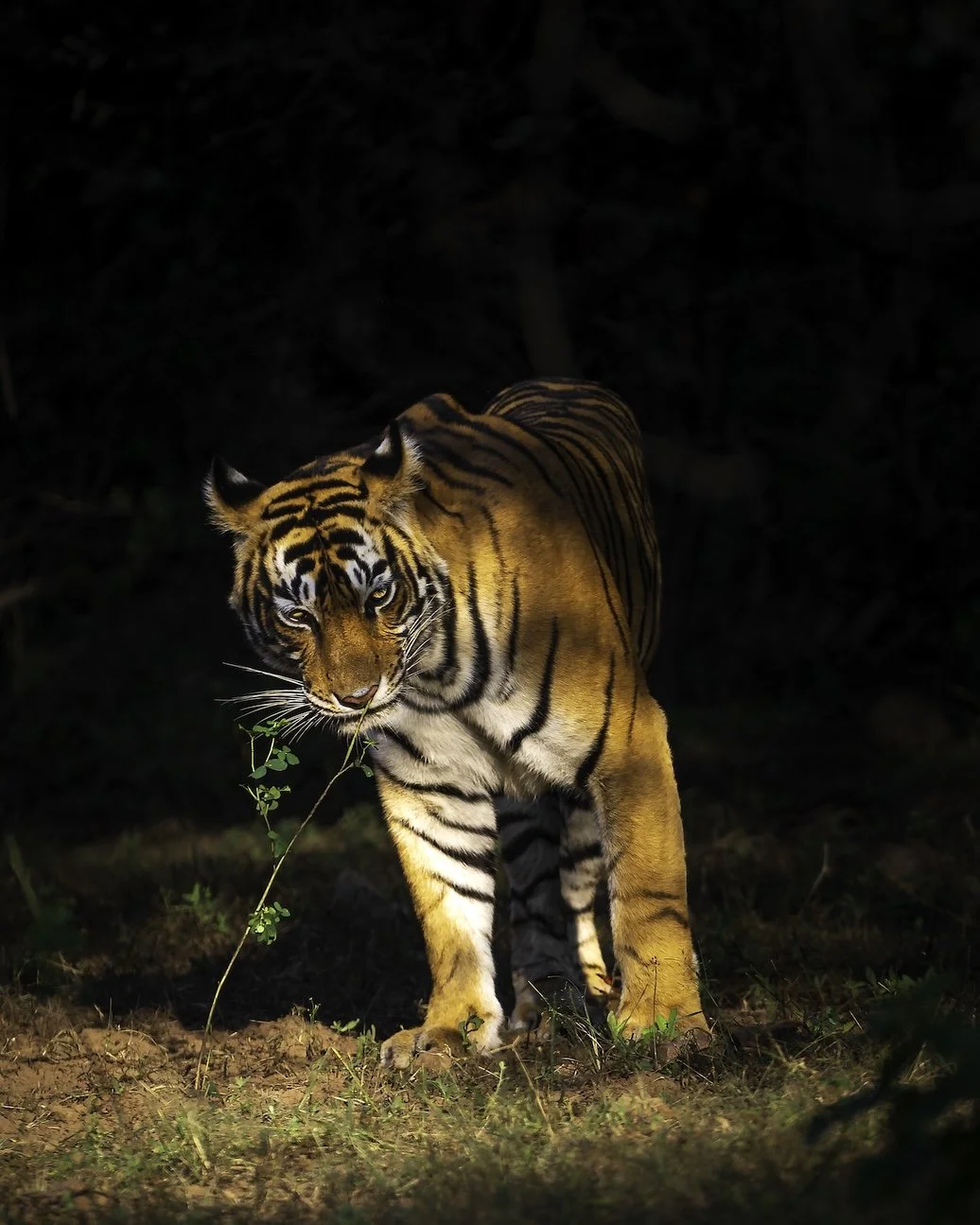
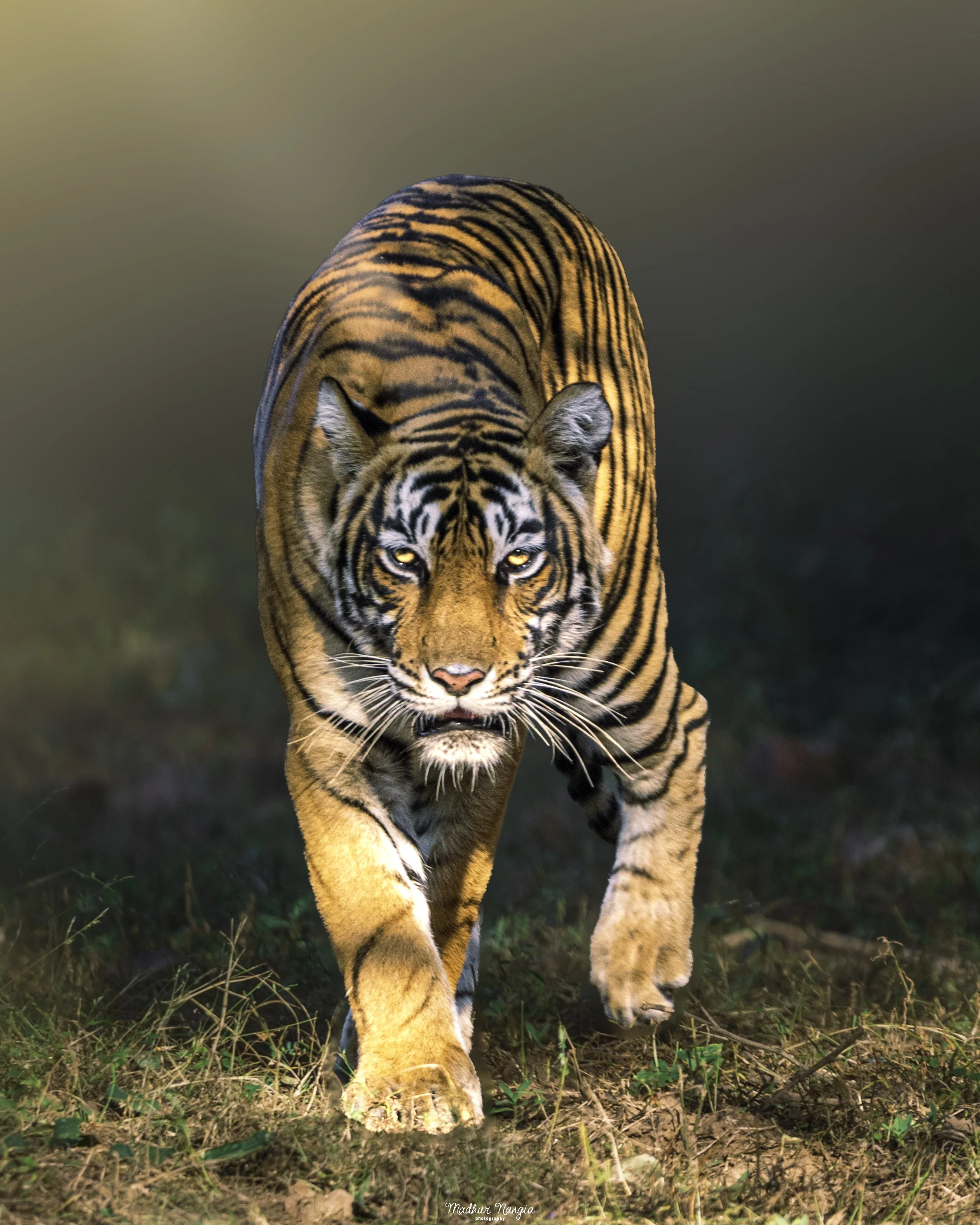
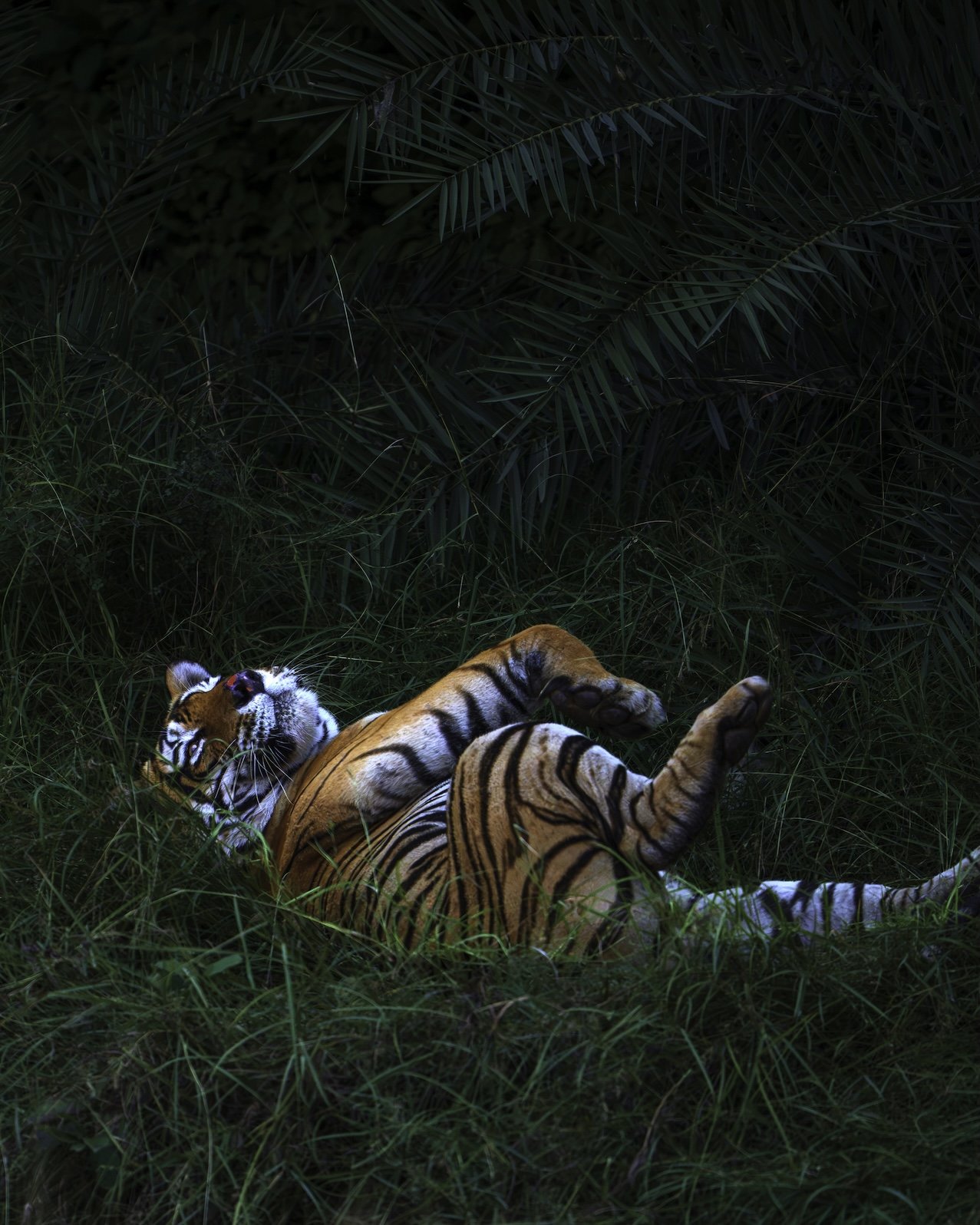
The first animal I saw in Ranthambore was a tiger called Jai, and I could hardly photograph him.
Our first safari was in zone 6, the most beautiful terrain of all five zones I saw. We drove for three hours with zero sightings. At the foothills we reached a tiny shrine, really just five stones painted orange. I bowed and said a little prayer,let me see a tiger here.
Boom! On the way back, there he was ! ….about 10 metres from the spot where I had prayed.
It was almost dark and almost time to leave the jungle. Jai, a magnificent male, was taking a nap. I managed only a few shots before we had to go.
The short answer → Ranthambore is one of the best places in India to photograph wild tigers, if you plan well. Go between October and June and book months ahead on the official forest department site. Plan four or five drives across different zones and bring a zoom lens. Patience matters more than the zone.
This post is part of my Rajasthan wildlife series.
At a glance
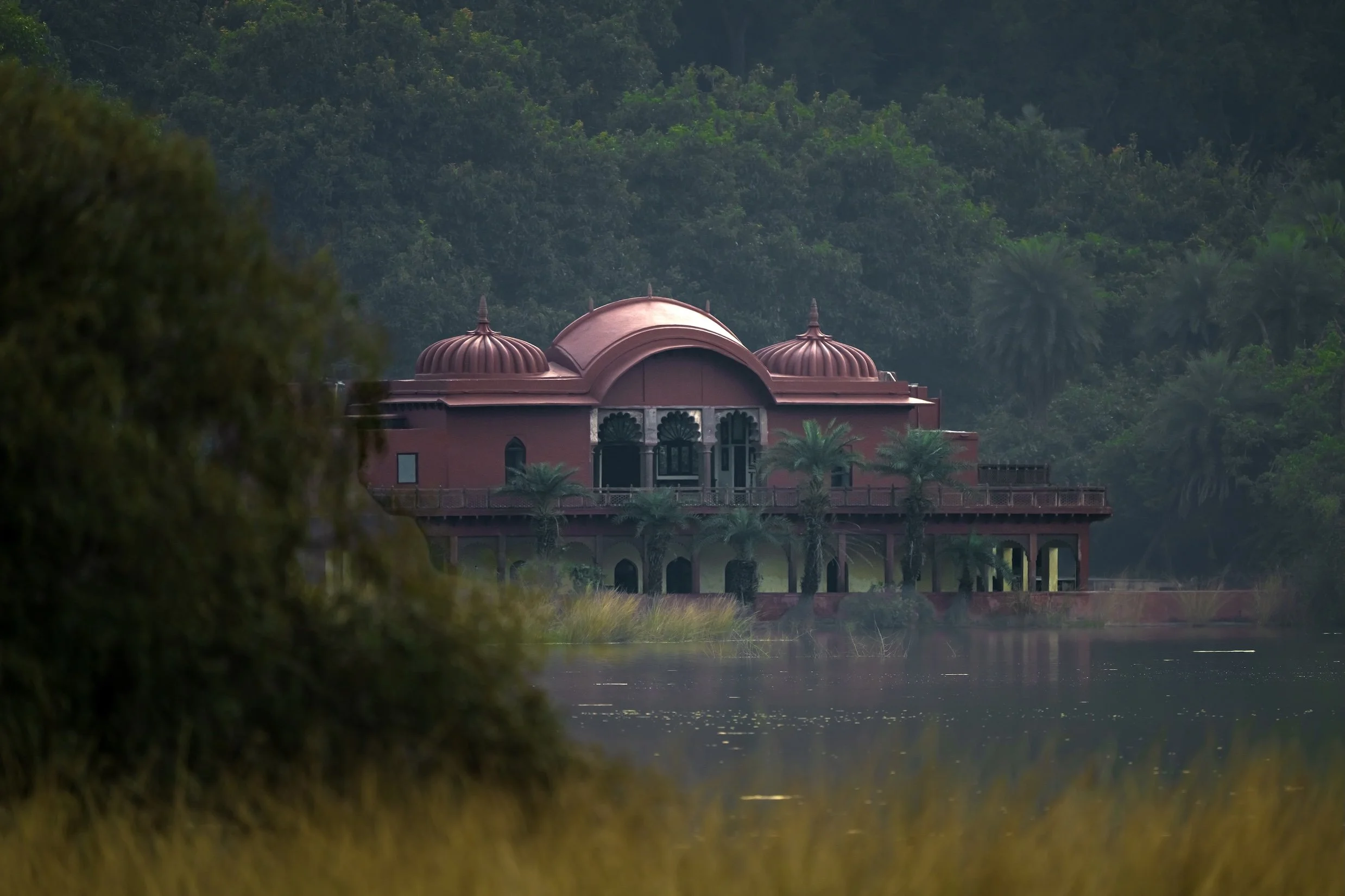
Where: Ranthambore National Park, Sawai Madhopur, Rajasthan. About five hours by road from Delhi.
Season: The park opens in October after the monsoon break. Core zones close from 1 July to 30 September.
Safari slots in November: 7:00 to 10:30 am and 2:00 to 5:30 pm. October runs half an hour earlier in the morning and half an hour early in the evening .
Booking: Online, months in advance. Booking opens for 3 months ,3 months in advance
Drives to plan: Four to six. One drive is a gamble. Five is a story.
Lens: A 70-200mm plus a 400mm, or one long zoom such as a 180-600mm or 100-400mm.
How do the safari zones work?
Ranthambore has 10 safari zones. On our trip, zones 1 to 5 were close to our hotel, Tiger Den. Zones 6 to 10 were about 20 minutes farther away.
You book a slot online, and the forest department allots your zone and vehicle. [VERIFY: whether zones are chosen at booking or allotted by the department] Jeeps (open six-seat Gypsies) are better for photography than canters, the 20-seat open buses, because you can move and frame more freely.
Here is how our five drives went, zone by zone:
Zone 6, day 1 evening: Three hours of nothing, then Jai asleep at dusk, near a roadside shrine. The most beautiful terrain of the trip.
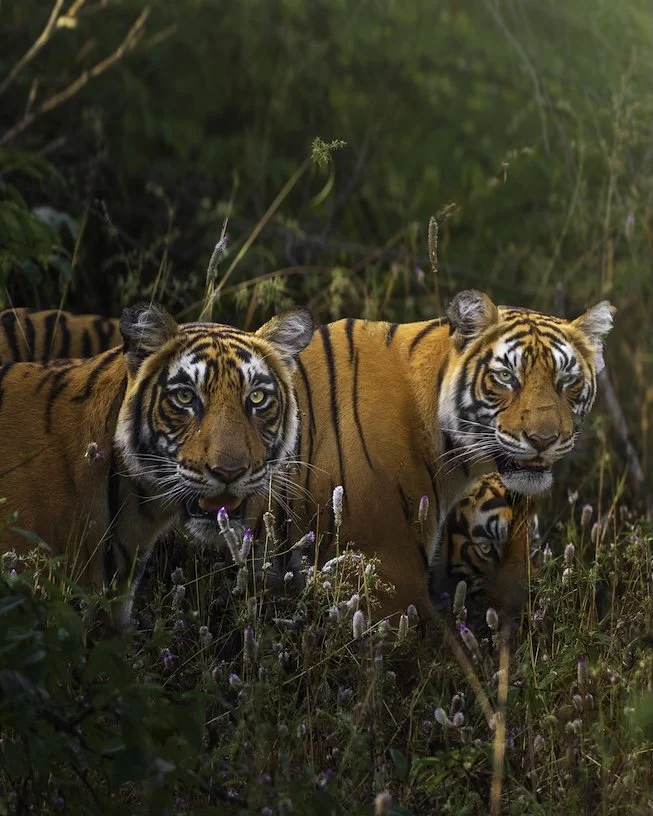
Zone 5, day 2 morning: A sloth bear in the dark, Shakti with two sub-adult cubs, then Durga and her three sub-adult cubs at play and a
fleeting appearence of an unknow male tiger
Zone 10, day 2 evening: A sloth bear mother and cub, then T-2302 with two young cubs.
Zone 4, day 3 morning: Two of Shakti's cubs crossing about 20 feet from our jeep, plus crocodiles and birds.
Zone 3, day 3 evening: No tigers, in the zone that usually gives the best odds. A sambar deer and her new born baby standing for the first time .
What can you see on a morning drive in zone 5?
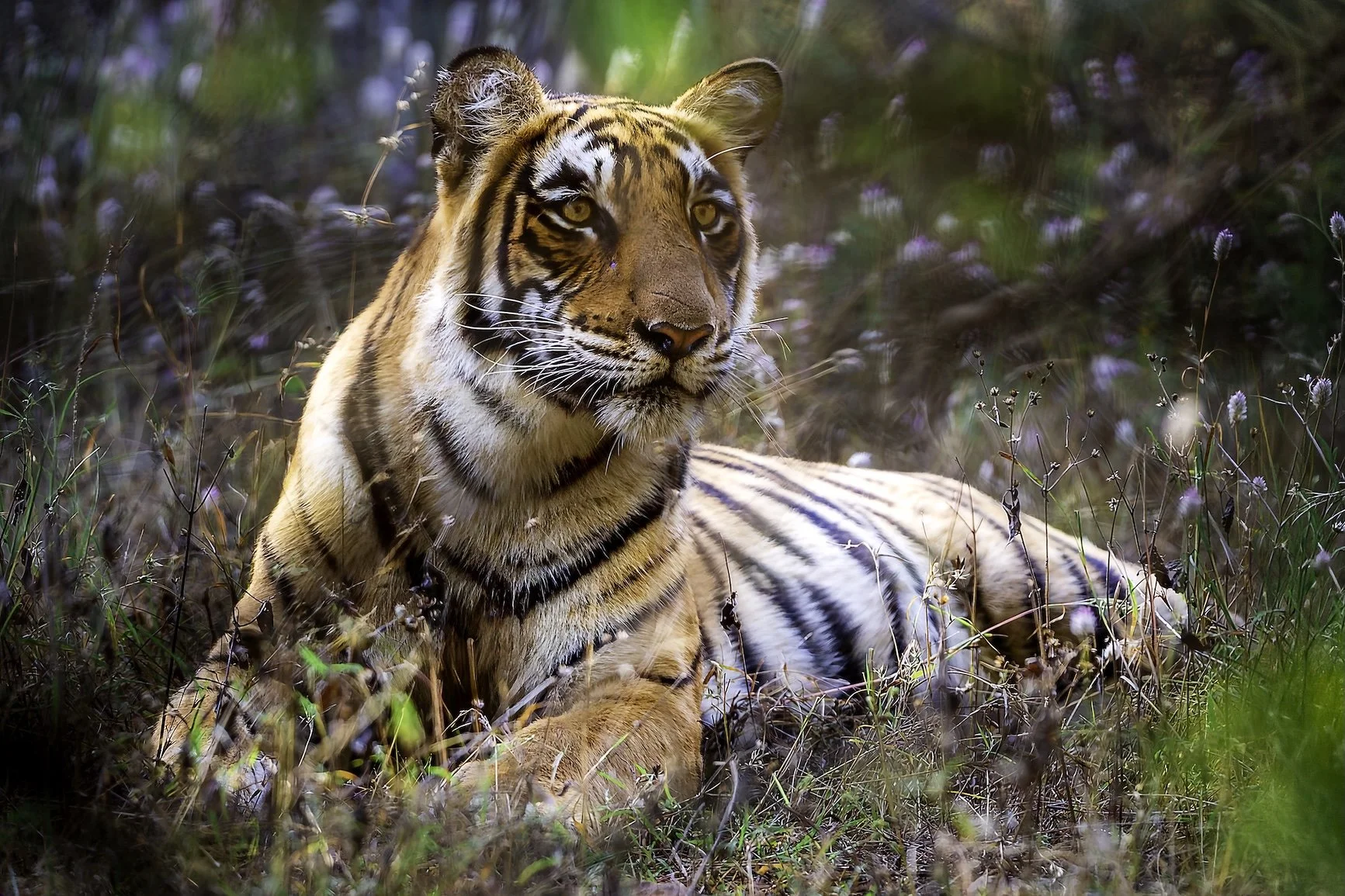
We left the hotel at 5:45 am to be at the front of the queue at the gate. It worked. We were the first jeep into the zone.
It was not fully light yet when we saw the sloth bear. Black fur, dark forest, no light. I could not take a single usable frame.
That is the honest truth of early mornings here. Sometimes you just watch.
Then the forest opened up. Shakti, a tigress, came through with her two sub-adult cubs, crossing the path in front of us. Only three jeeps had that moment. Further in, Durga and her three sub-adult cubs were playing.
"Since we were the first ones to enter, we saw Shakti and her cubs playing and crossing the path. Only three jeeps had this opportunity."
On the way out, We had a fleeting look at another male tiger. His face was not clear enough to identify, so lets leave him unnamed.
What is an evening drive in the outer zones like?
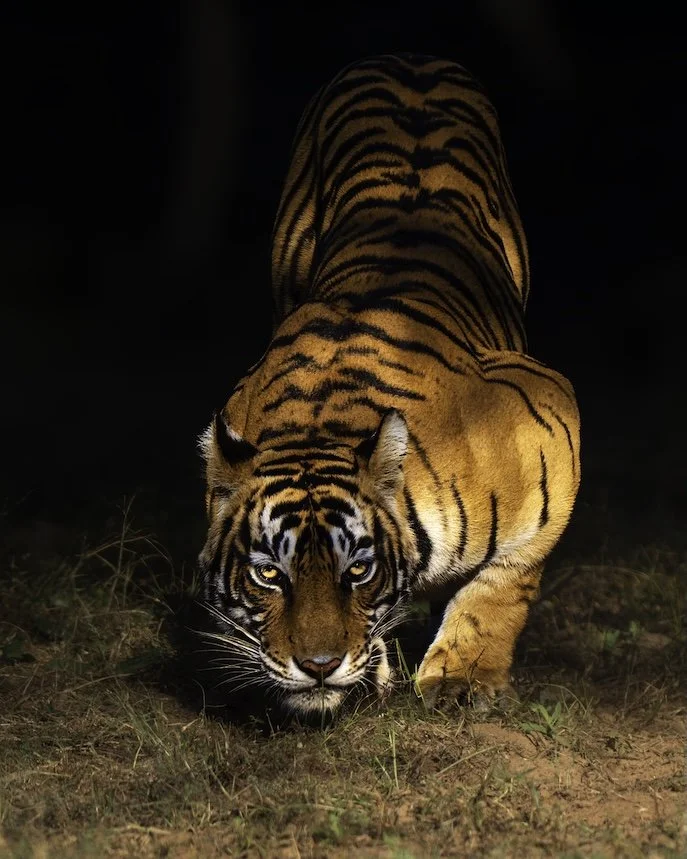
For the evening drive in zone 10 we left at 1:45 pm, because the outer zones take longer to reach.
We met two sloth bears first, a mother and her cub. Towards one end of the zone, we found T-2302, as our guide identified her, with her two young cubs. The cubs were shy and never left the bushes. Their mother stood scanning the area for danger.
No cub portraits that evening. What we watched instead was a mother at work.
On the way back we stopped at Fateh Cafe for tea and a light snack. Go for the Rajasthani food. The international dishes are just okay.
What happens when tigers walk past your jeep?
Day 3 began in zone 4. We left the hotel at 6:30 am.
First, another sloth bear. Then we spotted Shakti and two cubs crossing over from zone 5. It was a fleeting view, and then they were gone.
So we waited. For hours.
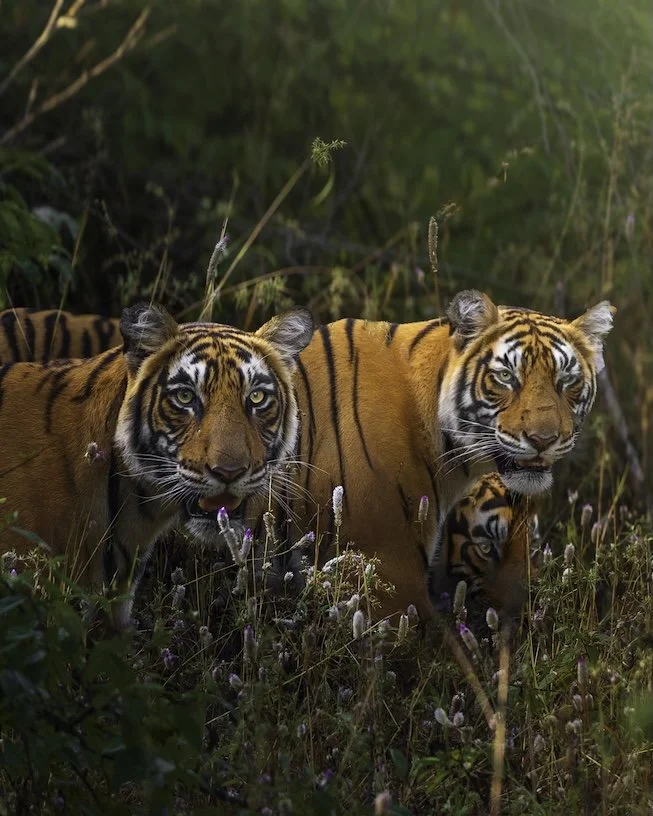
Finally, two of the cubs came out, one of them a young male. They crossed our vehicle from about 20 feet and kept walking for a long time. By then it was late morning. The sun had become a big, even softbox over the track, and I did not have to fight the light at all.
"They were pretty close, so we worked with the 70-200. Since it was late morning, the light was good and we did not have to struggle."
Twenty feet is close. This is where the rules matter most.
Stay seated, keep your voice low, no flash and no calling out to the animal. The tiger is at home. You are the guest.
On the way back we passed a crocodile our guide said it was about 75 years old, two baby crocodiles on the way out and plenty of birds.
Is a safari worth it if you see no tiger?
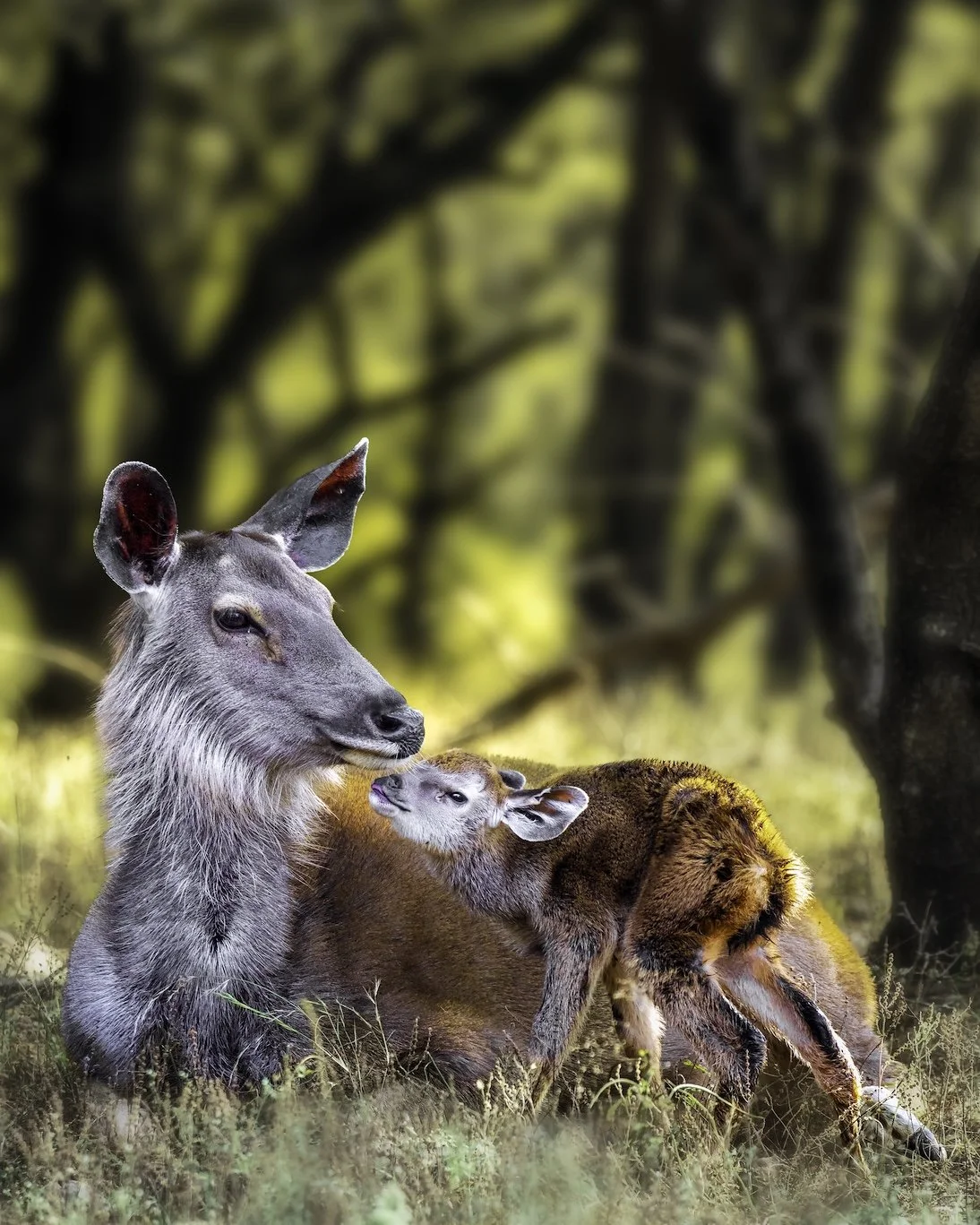
Our last drive was the evening safari in zone 3. We left the hotel at 1:30 pm. Zone 3 usually gives the highest chance of a sighting. We saw zero tigers. A few birds. That was it, until it wasn't.
A sambar deer was giving birth. We watched the newborn try to stand, fall, and try again to walk.
No tiger photograph from that trip stays with me more.
"Jungles are not only about tigers. The jungle teaches you so much about patience, struggle, survival. Never make the jungle tiger-centric. There is so much to see."
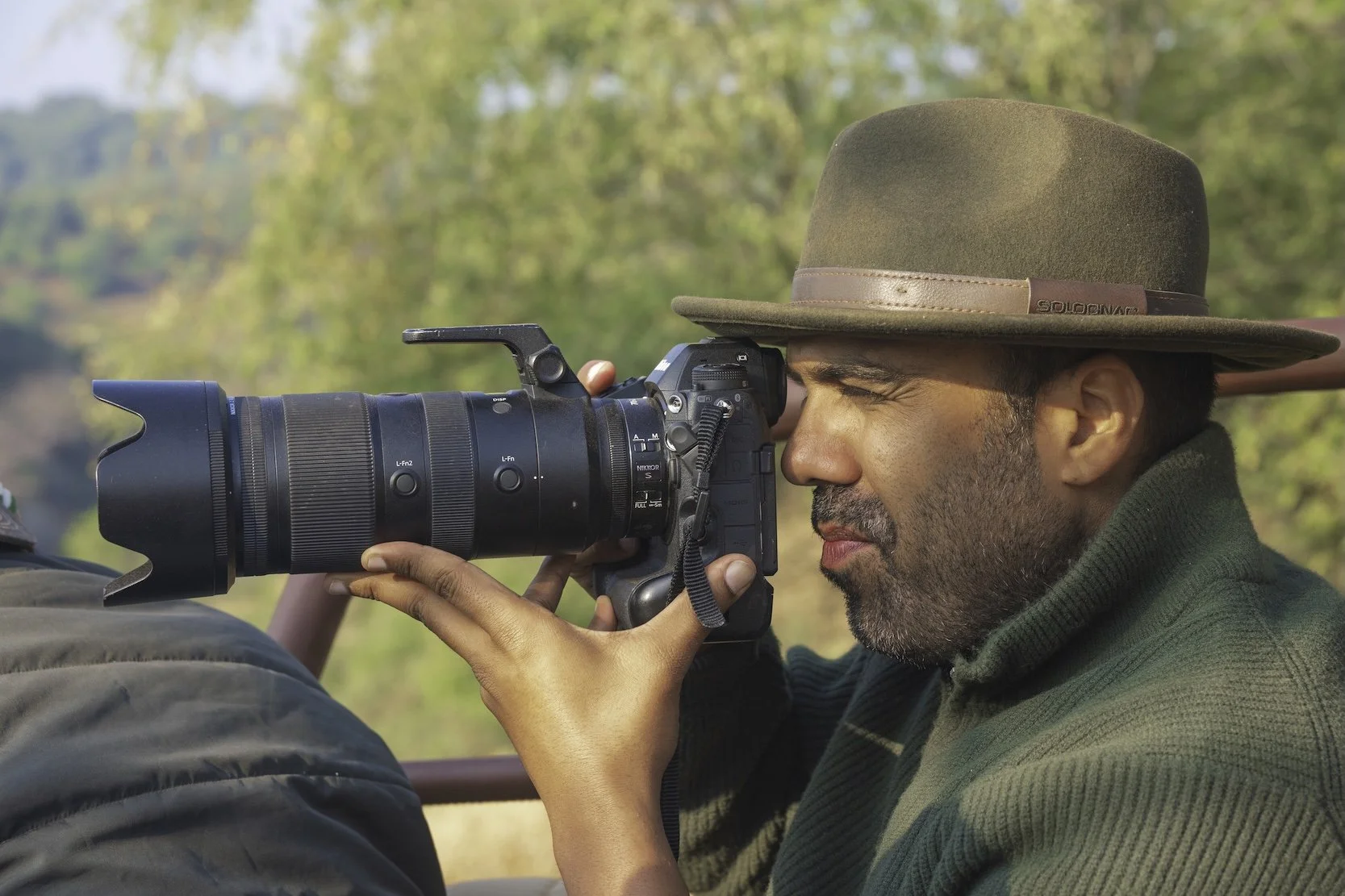
Which lens should you bring to Ranthambore?
Indian jungles suit zoom lenses more than primes. The landscape is mostly dense trees, so there is hardly any depth, and animals appear at every distance. A zoom lets you reframe without missing the moment.
My combination: Nikkor 70-200mm f/2.8 and 400mm f/2.8.
One-lens option: A 180-600mm, or a 100-400mm. Any brand's equivalent works.
Close encounters: The 70-200mm handled tigers at 20 feet.
Low light: The first half hour of a morning drive is dark under the trees. Expect high ISO, or just watch.
Wildlife began as a hobby for me. Since 2015 it has taken my work as far as a solo wildlife show, Tales of the Wild, at the India International Centre in Delhi.
Getting there from Delhi
We drove. We left Delhi at 7:30 am and reached at 12:30 pm, in time to settle in before the afternoon drive. Straight after the last safari we drove back to Delhi, which took 4 hours 40 minutes with one 20-minute stop. Trains run to Sawai Madhopur, the station for the park, if you prefer not to drive.
Can I join you on a Ranthambore safari?
Yes. I take small groups on custom trips to Ranthambore. This time we were four participants.
Safari seats sell out months ahead, so we need to start planning early. You bring the curiosity. I will bring the lessons of my numerous visits in this forest. Tell me your dates on my contact page and I will tell you what is possible.
If you are planning a wider Rajasthan trip, Ranthambore pairs well with Jaipur. My Jaipur photography guide covers the city side. And if you have caught the big-cat bug, read about my Masai Mara Big Five journey.
What Ranthambore taught me?
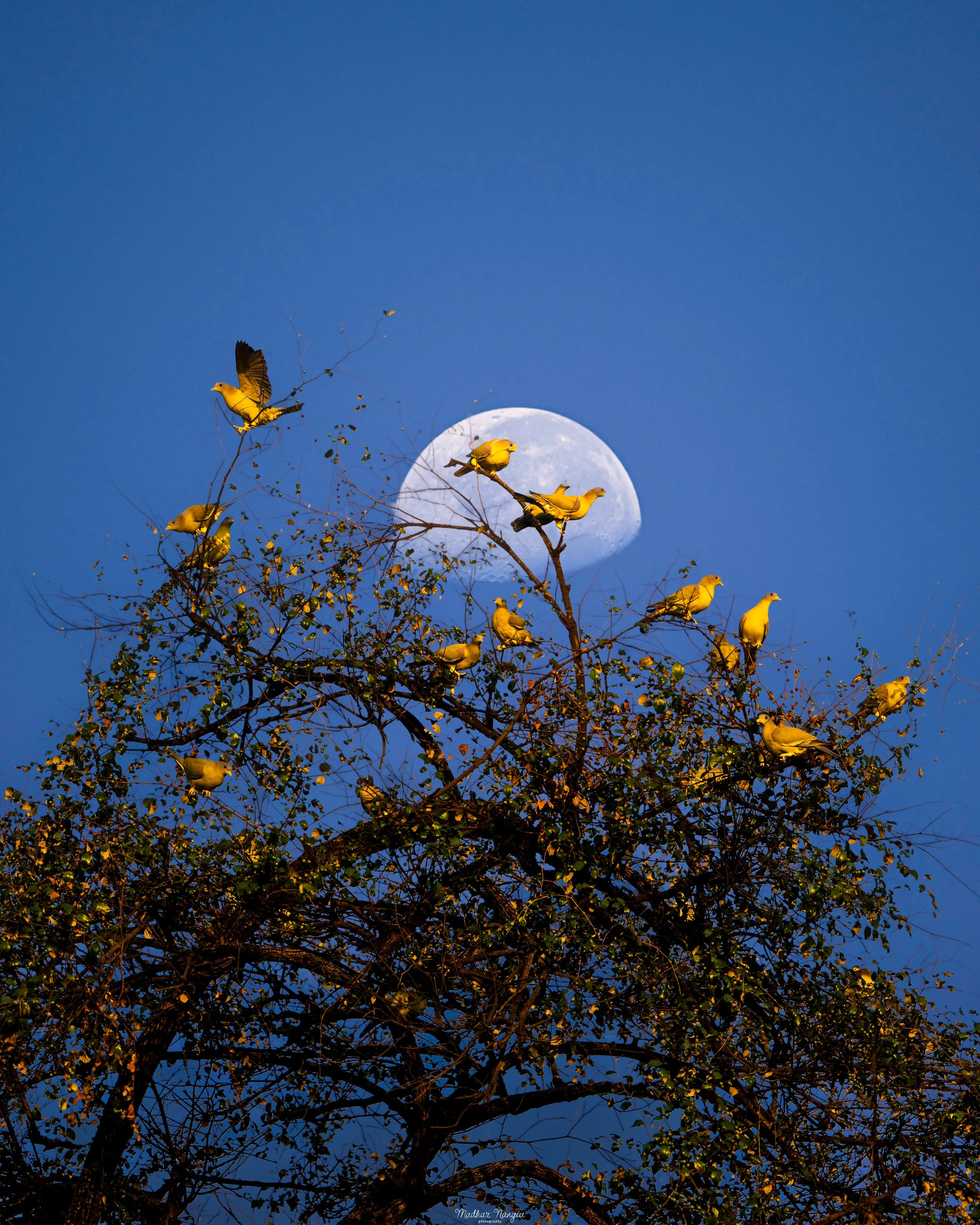
I went for tigers, and I got them. Jai, Shakti, Durga, T-2302 and their cubs.
But I think most about other moments. Jai asleep near the spot where I prayed, the sloth bear I could not photograph in the dark, and the drive with no tiger at all. Not to forget numerous birds , Deers , Monkey , crocodile . The forest decides what you see. Your job is to be early, be quiet and be ready. I repeat , do not make your trip to Jungle Tiger centric .
If you would like to photograph Ranthambore with me, tell me about your trip on my contact page. Let's plan it early, and let the jungle do the rest.
Thoughts?
Please drop a line